
The Backbone of Modern Applications: An Introduction to Backend Development
In the digital world, the sleek interfaces of web and mobile apps often steal the spotlight. But behind every intuitive user experience lies a complex system ensuring everything runs smoothly: the backend. Whether you’re a budding developer or a tech enthusiast, understanding backend development can demystify how applications truly work.
What is Backend Development?
Backend development refers to the server-side portion of an application. It involves everything that happens behind the scenes—database interactions, server logic, and API integration. While the frontend focuses on what users see and interact with, the backend ensures that data is processed securely and efficiently.
Key Components of the Backend:
Server: The server handles requests from the frontend and responds with the appropriate data. Servers can be physical machines or cloud-based services.
Database: Data storage and retrieval are managed here. Common databases include MySQL, PostgreSQL, and MongoDB.
APIs (Application Programming Interfaces): APIs allow different software systems to communicate. They’re like digital bridges connecting the frontend with the backend.
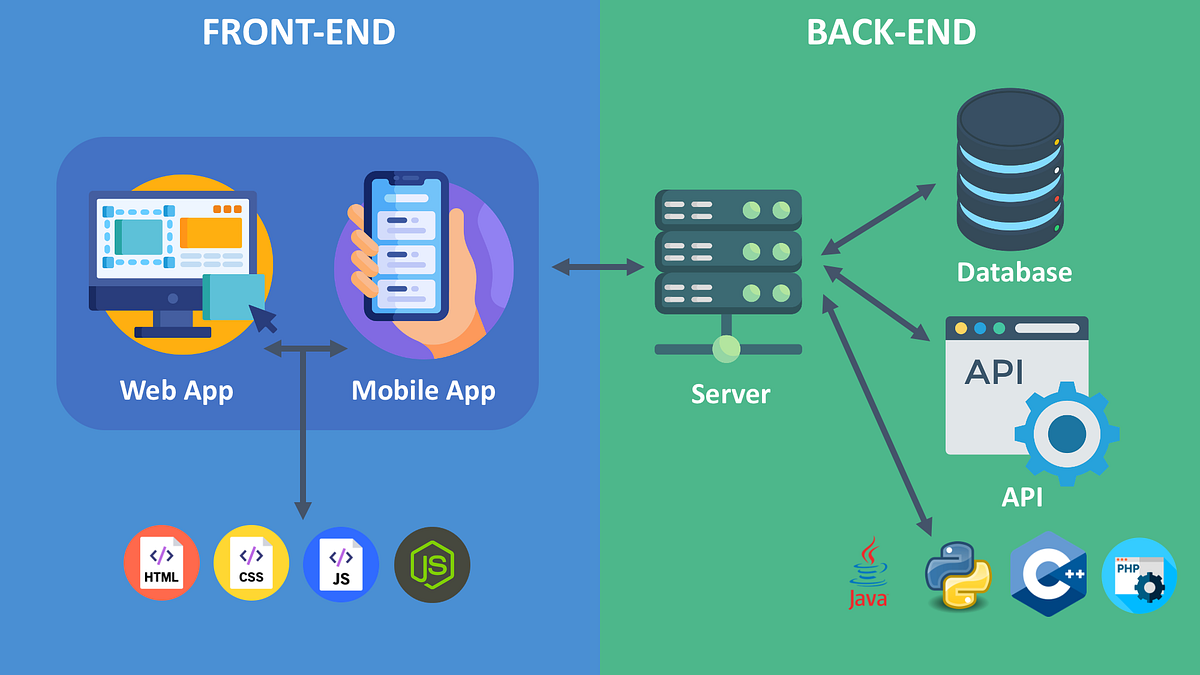
How Backend and Frontend Work Together
When you submit a login form on a website, the frontend sends your information to the backend. The backend verifies your credentials by querying the database, then sends a response back to the frontend, indicating success or failure. This seamless interaction happens within milliseconds, thanks to well-designed backend architecture.
Challenges in Backend Development
Backend development refers to the server-side portion of an application. It involves everything that happens behind the scenes—database interactions, server logic, and API integration. While the frontend focuses on what users see and interact with, the backend ensures that data is processed securely and efficiently.
1. Scalability:
Ensuring the backend can handle increased traffic and data as applications grow is crucial. Techniques like load balancing and database sharding are often used.
2. Security:
Protecting sensitive user data is a top priority. Developers implement encryption, secure APIs, and authentication protocols to prevent breaches.
3. Performance Optimization:
Efficient code and optimized database queries ensure quick response times. Monitoring tools help identify bottlenecks and improve system performance.
Tools Every Backend Developer Should Know
- Version Control: Git is essential for tracking changes and collaborating on code.
- Database Management Systems: Knowing SQL and NoSQL databases is fundamental.
- Cloud Platforms: AWS, Azure, and Google Cloud provide scalable infrastructure.
- Containerization Tools: Docker simplifies application deployment and scaling.
The backend is the heart of any application. Without it, there would be no data processing, user authentication, or meaningful functionality. Backend developers build the foundation that ensures applications are reliable, secure, and fast.